Wellness checks are comprehensive evaluations designed to assess an individual's overall health and well-being. For men, these check-ups play a crucial role in identifying potential health issues before they escalate into serious conditions. Regular wellness checks encompass a variety of assessments, including physical examinations, screenings for chronic diseases, and discussions about lifestyle choices. By prioritizing these visits, men can take proactive steps toward maintaining their health and enhancing their quality of life.The importance of wellness checks cannot be overstated, especially in a society where men often neglect their health until symptoms become severe.
Many men may feel invincible or believe that they can manage their health without regular medical guidance. However, this mindset can lead to missed opportunities for early detection of conditions such as hypertension, diabetes, or even prostate cancer. Engaging in routine wellness checks allows healthcare providers to monitor vital signs, review medical histories, and recommend necessary screenings tailored to individual risk factors.Moreover, wellness checks serve as an opportunity for men to engage in open conversations about their health concerns. This dialogue is essential for building a trusting relationship with healthcare providers, which can lead to more personalized care.
Men are encouraged to discuss not only physical health but also mental and emotional well-being during these visits. Addressing all aspects of health is vital for achieving a balanced lifestyle and ensuring long-term wellness.
Key Components of a Wellness Check
A comprehensive wellness check is designed to provide a thorough assessment of your overall health, particularly focusing on men's wellness. Understanding the key components of a wellness check can help you prepare for your visit and ensure you receive the most benefit from it. Here are the primary elements you can expect during a typical wellness check:- Vital Signs Assessment: This is often the first step in your wellness check.
Your healthcare provider will measure essential vital signs, including:
- Blood Pressure: High blood pressure can lead to serious health issues, including heart disease and stroke.
- Heart Rate: Monitoring your heart rate helps assess your cardiovascular health.
- Body Temperature: A standard measure to check for any underlying infections or health concerns.
- Weight and Body Mass Index (BMI): These metrics help evaluate your weight in relation to your height, providing insight into your overall health.
- Medical History Review: Your healthcare provider will discuss your medical history, including any past illnesses, surgeries, and medications. This review is crucial for identifying potential risk factors for diseases that may run in families. Be prepared to share information about:
- Your personal health history
- Your family’s medical history
- Any current medications or supplements you are taking
- Lifestyle Evaluation: A significant part of a wellness check involves assessing your lifestyle choices. This includes discussions about:
- Diet: What you eat plays a vital role in your overall health.
Your provider may offer dietary recommendations based on your current eating habits.
- Physical Activity: Regular exercise is essential for maintaining good health. Expect questions about your activity levels and suggestions for improvement.
- Stress Management: Chronic stress can negatively impact your health. Discussing stressors and coping mechanisms can lead to better mental well-being.
- Screenings and Tests: Depending on your age, risk factors, and medical history, various screenings may be recommended during your wellness check. Common tests include:
- Cholesterol Screening: Important for assessing heart health.
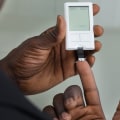
- Blood Glucose Test: Helps identify diabetes or prediabetes.
- Cancer Screenings: Men may undergo prostate exams or other relevant screenings based on their age and risk factors.
Regular wellness checks are vital for maintaining optimal health and preventing future issues, making it essential to prioritize them as part of your healthcare routine.
The Importance of Preventive Care
Preventive care plays a crucial role in maintaining optimal health, particularly for men who often overlook their health needs. Regular wellness checks are not merely routine appointments; they are essential opportunities to assess and enhance overall well-being. By prioritizing preventive care, men can identify potential health issues before they develop into serious conditions.One of the primary benefits of preventive care is early detection. Many health issues, such as hypertension, diabetes, and certain cancers, can be asymptomatic in their early stages.Regular wellness checks allow healthcare providers to conduct screenings and tests that can reveal these conditions early on. For instance, blood pressure checks can help identify hypertension, while cholesterol screenings can indicate cardiovascular risks. Early intervention often leads to better outcomes and can significantly reduce the need for more invasive treatments later.Moreover, preventive care encourages men to take an active role in their health management. During wellness visits, healthcare providers can discuss lifestyle factors such as diet, exercise, and stress management.
This dialogue fosters a deeper understanding of how daily choices impact long-term health. For example, if a man is found to have elevated cholesterol levels, his provider may recommend dietary changes and increased physical activity to mitigate risks.Another significant aspect of preventive care is its cost-effectiveness. Addressing health issues early can save money in the long run by avoiding expensive treatments for advanced diseases. Many insurance plans cover preventive services at no additional cost, making it financially feasible for men to prioritize their health without worrying about out-of-pocket expenses.In addition to physical health benefits, regular wellness checks also contribute to mental well-being.
Men often face societal pressures that discourage them from discussing emotional or psychological issues. Preventive care provides a safe space for men to express concerns about their mental health and receive appropriate support or referrals when necessary.In conclusion, the importance of preventive care in men's health cannot be overstated. By engaging in regular wellness checks, men can take proactive steps toward identifying potential health risks, managing existing conditions effectively, and ultimately leading healthier lives. Embracing preventive care is not just about avoiding illness; it’s about fostering a lifestyle that promotes longevity and quality of life.
Common Screenings for Men During Wellness Checks
Regular wellness checks are crucial for men, as they provide an opportunity to assess health risks and catch potential issues early.During these check-ups, several key screenings are recommended based on age, family history, and lifestyle factors. Understanding these common screenings can empower men to take charge of their health.
Prostate Cancer Screening
Prostate cancer is one of the most common cancers among men. The American Urological Association recommends that men discuss prostate cancer screening with their healthcare provider starting at age 55. However, those with a family history of prostate cancer or other risk factors may need to begin discussions earlier. The screening typically involves:- Digital Rectal Exam (DRE): A healthcare provider checks the prostate for abnormalities.
- Prostate-Specific Antigen (PSA) Test: A blood test that measures the level of PSA, which can be elevated in men with prostate cancer.
Cholesterol Screening
High cholesterol is a significant risk factor for heart disease, which is a leading cause of death among men.Men should have their cholesterol levels checked at least every four to six years, starting at age 20. The screening includes:
- Total Cholesterol: Measures all cholesterol in the blood.
- LDL (Low-Density Lipoprotein): Often referred to as "bad" cholesterol, high levels can lead to plaque buildup in arteries.
- HDL (High-Density Lipoprotein): Known as "good" cholesterol, higher levels are better for heart health.
- Triglycerides: Another type of fat in the blood that can increase heart disease risk when elevated.
Diabetes Screening
Diabetes is a growing concern for men's health, particularly as they age. The American Diabetes Association recommends that men aged 45 and older be screened for diabetes every three years. Those with risk factors such as obesity or a family history of diabetes should be screened earlier.Common tests include:
- Fasting Blood Glucose Test: Measures blood sugar levels after fasting for at least eight hours.
- A1C Test: Provides an average blood sugar level over the past two to three months.
Lifestyle Factors and Their Impact on Health
When it comes to maintaining optimal health, lifestyle factors play a crucial role, particularly for men. The choices made in daily life can significantly influence overall well-being and the risk of developing chronic diseases. During wellness checks, healthcare providers assess these lifestyle factors to provide tailored recommendations that can enhance health outcomes.Dietary Choices and Their Effects
A balanced diet is fundamental for men’s health. Nutritional needs can vary based on age, activity level, and specific health concerns.Men often require higher protein intake to support muscle mass and energy levels. Incorporating lean meats, fish, legumes, and nuts can help meet these needs. Additionally, a diet rich in fruits and vegetables provides essential vitamins and minerals that bolster the immune system and reduce the risk of chronic conditions such as heart disease and diabetes.
- Limit Processed Foods: Reducing intake of processed foods high in sugar, salt, and unhealthy fats is vital for maintaining a healthy weight and preventing metabolic disorders.
- Stay Hydrated: Adequate hydration is often overlooked but is essential for overall health. Men should aim for at least 3.7 liters of fluids daily, primarily from water.
The Importance of Regular Exercise
Physical activity is another cornerstone of men’s wellness.Regular exercise not only helps maintain a healthy weight but also improves cardiovascular health, boosts mood, and enhances overall quality of life. The CDC recommends at least 150 minutes of moderate-intensity aerobic activity each week for adults.
- Strength Training: Incorporating strength training exercises at least twice a week can help build muscle mass and improve bone density.
- Flexibility and Balance: Activities such as yoga or tai chi can enhance flexibility and balance, reducing the risk of injuries.
Managing Stress Effectively
Stress management is crucial for men’s health as chronic stress can lead to serious health issues such as hypertension, anxiety disorders, and heart disease. During wellness checks, discussions about stress levels and coping mechanisms are essential.- Meditation and Mindfulness: Practicing mindfulness or meditation can help reduce stress levels significantly.
- Physical Activity: Engaging in regular physical activity is also an effective way to manage stress by releasing endorphins that improve mood.
- Social Connections: Maintaining strong social ties can provide emotional support during stressful times.
Building a Relationship with Your Healthcare Provider
Establishing a strong relationship with your healthcare provider is crucial for maintaining optimal health, especially for men who may be less inclined to seek medical advice.Regular wellness checks serve as a foundation for this relationship, allowing for consistent communication and trust-building over time.
Importance of the Doctor-Patient Relationship
A solid doctor-patient relationship can significantly influence health outcomes. When patients feel comfortable with their healthcare providers, they are more likely to share vital information about their health, lifestyle, and any concerns they may have. This openness enables providers to offer tailored advice and interventions that align with the patient’s unique needs.Moreover, a strong relationship fosters a sense of partnership in health management. Patients who view their healthcare providers as allies are more likely to adhere to treatment plans and preventive measures, such as regular screenings and lifestyle changes.
This collaborative approach can lead to better management of chronic conditions and improved overall well-being.
Effective Communication
Open communication is the cornerstone of a successful healthcare relationship. During wellness checks, take the opportunity to discuss any changes in your health or lifestyle. Be honest about your habits, including diet, exercise, and stress levels. This transparency allows your provider to identify potential risks and recommend appropriate screenings or lifestyle modifications.Additionally, don’t hesitate to ask questions during your visits.
Whether it’s about test results or treatment options, seeking clarification can enhance your understanding of your health and empower you to make informed decisions.
Building Trust
Trust is essential in any healthcare relationship. When patients trust their providers, they are more likely to follow medical advice and engage in preventive care. Regular wellness checks help establish this trust by creating a consistent environment where patients feel valued and heard.To build trust, it’s important for healthcare providers to demonstrate empathy and understanding. A provider who listens actively and respects a patient’s concerns fosters an atmosphere of safety and support.
This trust not only enhances the patient experience but also encourages proactive health management.In conclusion, prioritizing regular wellness checks is not just about monitoring physical health; it’s also about cultivating a meaningful relationship with your healthcare provider. Through effective communication and trust-building, men can take charge of their health journey, leading to better outcomes and a higher quality of life.
Addressing Common Concerns About Wellness Checks
Many men harbor concerns and misconceptions about wellness checks that can deter them from seeking necessary healthcare. Addressing these fears is crucial for encouraging men to prioritize their health and well-being. Below are some common concerns and the realities behind them.Myth 1: Wellness Checks Are Only for Sick People
One prevalent myth is that wellness checks are only necessary when someone is feeling unwell.In reality, these check-ups are designed for everyone, regardless of current health status. They serve as a proactive measure to identify potential health issues before they escalate into serious conditions. Regular visits can help maintain good health and prevent future problems.
Myth 2: I Don't Have Time for a Wellness Check
Many men believe that their busy schedules do not allow for a wellness check. However, prioritizing your health can save time in the long run by preventing more serious health issues that require extensive treatment.A typical wellness check can often be completed in under an hour, making it a manageable commitment.
Concern: Fear of Bad News
Another common concern is the fear of receiving bad news about one’s health. While it’s natural to feel anxious about potential diagnoses, early detection often leads to better outcomes. Knowing your health status allows you to take informed steps toward improvement, whether through lifestyle changes or medical interventions.Myth 3: Wellness Checks Are Expensive
Some men worry about the cost associated with wellness checks. However, many insurance plans cover these visits, especially preventive services.For those without insurance, community health clinics often provide affordable options. Investing in your health now can prevent costly medical bills later.
Concern: Embarrassment About Health Issues
Men may also feel embarrassed discussing certain health concerns with their doctors, such as mental health or sexual health issues. It’s important to remember that healthcare providers are trained to handle sensitive topics with professionalism and confidentiality. Open communication is key to receiving the best care possible.In conclusion, addressing these common concerns and myths surrounding wellness checks can empower men to take charge of their health.Regular check-ups are not just a routine; they are an essential part of maintaining overall well-being and preventing future health complications.
The Financial Benefits of Regular Wellness Checks
Regular wellness checks are not just vital for maintaining good health; they also offer significant financial benefits that can lead to substantial cost savings over time. By investing in preventive care, individuals can avoid the high expenses associated with treating advanced diseases that could have been detected early.One of the primary ways wellness checks save money is through early detection of health issues. Conditions such as diabetes, hypertension, and certain cancers can often be managed more effectively when caught in their early stages. For instance, a simple blood test during a wellness check can reveal elevated blood sugar levels, allowing for lifestyle changes or medication that can prevent the onset of diabetes.The cost of managing diabetes over time, including medications, doctor visits, and potential complications, can be overwhelming compared to the relatively low cost of preventive screenings.Moreover, many insurance plans cover wellness visits at no additional cost to the patient. This means that individuals can take advantage of these essential check-ups without worrying about out-of-pocket expenses. According to the Affordable Care Act, most health insurance plans are required to cover preventive services without charging a copayment or coinsurance when provided by a network provider. This coverage includes annual wellness visits, screenings for various conditions, and vaccinations.In addition to avoiding costly treatments, regular wellness checks can lead to lower insurance premiums over time.
Insurers often reward policyholders who demonstrate proactive health management with reduced rates. By maintaining a healthy lifestyle and addressing potential health issues early on, individuals may find themselves paying less for their health insurance.Furthermore, the financial implications extend beyond direct medical costs. Healthier individuals tend to have fewer sick days and higher productivity levels at work. This translates into better job performance and potentially higher earnings over time.
Investing in your health through regular wellness checks is not just about avoiding illness; it’s also about enhancing your overall quality of life and financial stability.In conclusion, the financial benefits of regular wellness checks are clear. By prioritizing preventive care, individuals can save money on future medical expenses, take advantage of insurance coverage for these visits, and ultimately improve their overall financial well-being.
Conclusion: Prioritizing Your Health Through Regular Wellness Checks
In conclusion, the significance of regular wellness checks cannot be overstated, especially for men who often prioritize work and family over their own health. These check-ups serve as a proactive approach to health management, allowing for early detection and intervention of potential health issues. By making wellness checks a routine part of your healthcare regimen, you are taking a crucial step towards maintaining your overall well-being.Throughout this article, we have explored various aspects of wellness checks, including:- Comprehensive Health Assessments: Regular evaluations help monitor vital signs and assess risk factors that may lead to serious health conditions.
- Preventive Screenings: Tailored screenings based on age and family history can catch diseases like diabetes, heart disease, and certain cancers early on.
- Lifestyle Evaluations: Discussing your diet, exercise habits, and stress levels allows healthcare providers to offer personalized recommendations for improvement.
- Open Communication: Establishing a trusting relationship with your healthcare provider fosters an environment where you can discuss concerns candidly.
Remember that taking care of your health is not just about addressing issues as they arise; it’s about preventing them from occurring in the first place. Regular check-ups empower you to take control of your health journey.So, take the initiative today. Schedule your next wellness check and commit to making your health a priority. Your future self will thank you for the proactive steps you take now to ensure a healthier tomorrow.